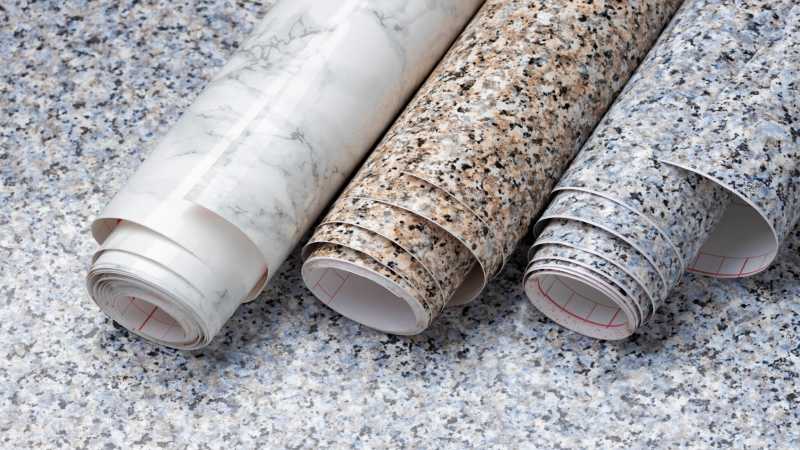
In the realm of modern interior design, the choice of flooring significantly influences the overall aesthetic and functionality of a space. High-end designers often gravitate towards materials that offer both beauty and practicality. One such material that has seen a resurgence in popularity is the Terrazzo Floor. Known for its unique composition and exquisite appearance, terrazzo is a favored choice among designers aiming to craft interiors that are both stylish and sustainable. In this article, we will explore why Terrazzo Flooring has become a staple in modern design, highlighting its versatile nature, eco-friendly properties, and the creative possibilities it offers.
The Allure of Terrazzo in Modern Interior Design
Terrazzo’s charm lies in its ability to seamlessly integrate with various design styles, from minimalist to extravagant. Its composition includes chips of marble, quartz, granite, or glass set in cement or epoxy, allowing it to complement a wide range of Color Palettes. This adaptability makes it a popular choice for designers who frequently reference sources like Architectural Digest for inspiration. Additionally, Terrazzo Floor offers a distinctive texture and pattern that can serve as a Focal Point in any room, enhancing the overall visual appeal.
Furthermore, the durability of terrazzo makes it ideal for high-traffic areas like kitchens and hallways. Its resistance to wear and tear ensures that it maintains its luster over time, providing a long-lasting solution for homeowners. The material’s ability to withstand heavy use without compromising on style is a key reason why it continues to be a preferred option for modern interiors.
High-End Designers Embrace Terrazzo for Its Versatility
The versatility of Terrazzo Flooring extends beyond its aesthetic appeal. High-end designers appreciate its ability to be customized to suit specific design briefs, allowing them to create bespoke interiors tailored to their clients’ preferences. Terrazzo can be precisely cut and shaped using CAD (computer-aided design) technology, ensuring exact specifications are met for each project.
Moreover, the variety of materials used in terrazzo allows designers to play with different textures and finishes, making it a suitable choice for both Hardscape and Soft Goods applications. For instance, a polished finish can add a sleek, modern touch to a living space, while a matte finish might be more appropriate for a rustic or industrial theme.
Incorporating terrazzo into a design scheme can also enhance the functionality of a space. For example, designers can integrate acoustical treatments within terrazzo installations to improve sound quality in large, open areas, making it a practical choice for both residential and commercial projects.
Sustainability Meets Style with Terrazzo Flooring
As the demand for Sustainable Materials in interior design grows, Terrazzo Flooring stands out as an eco-friendly option. Its production often involves the use of recycled materials, such as glass or marble chips, reducing the environmental impact of sourcing raw materials. This approach aligns with the increasing emphasis on sustainability in modern design practices.
Additionally, the longevity of terrazzo contributes to its sustainability. Its durability means it requires fewer replacements over time, minimizing waste and the need for frequent renovations. This quality makes it an attractive option for designers focused on creating spaces that are not only beautiful but also environmentally responsible.
For those curious about the intricate appeal of terrazzo, a visit to the Terrazzo Floor collection can provide deeper insights into its diverse applications and benefits.
Creating Unique Aesthetics with Custom Terrazzo Patterns
One of the most compelling aspects of terrazzo is its ability to be customized to create unique aesthetic expressions. Designers can select specific aggregates and colors to craft patterns that align with the overall design narrative of a space. This customization extends to intricate designs and detailed motifs that can be incorporated into the floor’s finish, making each installation truly one-of-a-kind.
The flexibility of terrazzo allows it to be used in conjunction with other design elements such as Millwork and Egress Windows, contributing to a cohesive and harmonious interior environment. By considering these elements in the initial Space Planning phase, designers can ensure that Terrazzo Flooring enhances rather than detracts from the intended design vision.
Recent industry reports have highlighted how custom terrazzo installations can elevate the prestige of a property, adding significant value and appeal. This potential for bespoke design is another reason why terrazzo remains a top recommendation among high-end designers.
Conclusion
Terrazzo Flooring’s combination of beauty, functionality, and sustainability makes it a favored choice among designers looking to create modern interiors that are both stylish and eco-friendly. Its ability to adapt to various design styles and its potential for customization offer endless possibilities for creating unique, engaging spaces. For these reasons, high-end designers continue to recommend terrazzo as a premier flooring option for contemporary homes and commercial settings.