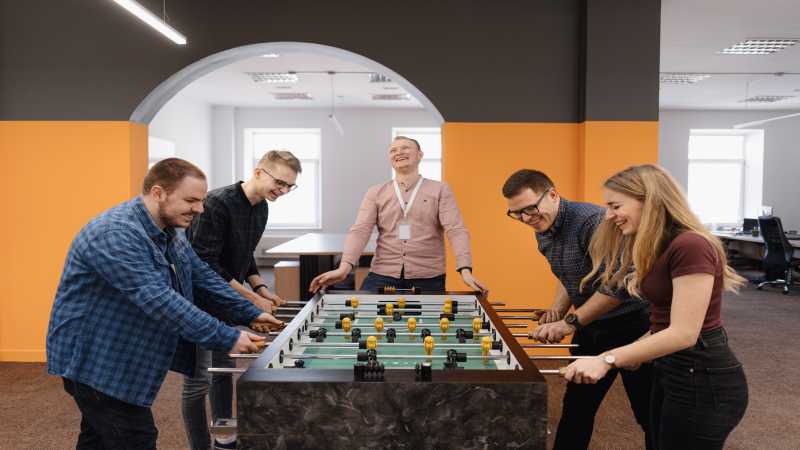
In today’s competitive business environment, organizations constantly search for innovative ways to improve employee engagement, increase productivity, and create a positive workplace culture. One of the most effective approaches gaining popularity is workplace gamification. The concept behind gamificationsummit xendit work revolves around applying game-inspired mechanics to professional environments, helping employees stay motivated while achieving organizational goals.
The Xendit Gamification Summit highlights practical strategies that businesses can use to transform routine tasks into engaging experiences. Through badges, rewards, leaderboards, progress tracking, and collaborative challenges, companies can create a workplace where employees feel recognized, valued, and inspired to perform at their best.
This comprehensive guide explores how workplace gamification works, its benefits, key strategies, and how organizations can successfully implement gamification frameworks to improve performance and employee satisfaction.
Understanding Workplace Gamification
Workplace gamification is the process of integrating game-like elements into daily work activities. Unlike traditional gaming, the goal is not entertainment alone. Instead, organizations use gamification to encourage positive behaviors, increase engagement, and improve performance.
Employees often face repetitive tasks, long projects, and demanding schedules. Over time, these factors can reduce motivation and lead to burnout. Gamification addresses these challenges by introducing elements that make work more interactive and rewarding.
For example, employees may earn points for completing tasks, receive badges for reaching milestones, or participate in team competitions that encourage collaboration.
The concept promoted through gamificationsummit xendit work focuses on practical business applications rather than simple rewards. The emphasis remains on creating meaningful experiences that align employee goals with organizational objectives.
Why Workplace Engagement Matters
Employee engagement directly affects business success. Engaged employees are more productive, more loyal, and more likely to contribute innovative ideas.
Organizations with highly engaged workforces often experience:
- Increased productivity
- Better employee retention
- Stronger workplace culture
- Improved customer satisfaction
- Higher profitability
Unfortunately, many employees struggle with disengagement due to repetitive responsibilities and limited recognition. Gamification helps solve these issues by making daily activities more engaging and measurable.
When employees can track their progress and receive recognition for achievements, they often feel more connected to their work and motivated to succeed.
The Core Principles Behind Gamification
Successful gamification relies on understanding human motivation. People naturally enjoy achieving goals, earning rewards, and seeing measurable progress.
Several core principles drive effective workplace gamification:
Achievement
Employees feel motivated when they accomplish goals. Breaking large projects into smaller milestones creates regular opportunities for achievement.
Recognition
Recognition validates employee efforts. Digital badges, awards, and public acknowledgments reinforce positive behaviors.
Competition
Healthy competition can inspire higher performance when implemented correctly. Team-based competitions often produce better results than individual ranking systems.
Progress
Visible progress indicators encourage continued participation. Employees stay motivated when they can see how far they have advanced.
Collaboration
Gamification should encourage teamwork rather than isolation. Collaborative challenges strengthen relationships and improve communication.
Progress Tracking as a Powerful Motivator
One of the most important concepts discussed in workplace gamification events is progress tracking.
Large projects often feel overwhelming because employees struggle to see immediate results. Gamification solves this problem by dividing projects into smaller, manageable milestones.
For example:
- Completing training modules
- Finishing project phases
- Meeting weekly objectives
- Achieving performance targets
Each milestone creates a sense of accomplishment.
Progress bars, achievement dashboards, and completion percentages help employees visualize success. As individuals move closer to their goals, motivation naturally increases.
This approach is a major focus within gamificationsummit xendit work because measurable progress significantly improves engagement and productivity.
Creating Effective Reward Systems
Reward systems play a critical role in workplace gamification.
However, successful rewards extend beyond financial incentives. Employees often value recognition, professional development opportunities, and personal achievements.
Common reward types include:
Digital Rewards
- Achievement badges
- Certificates
- Virtual trophies
- Recognition points
Professional Rewards
- Additional training opportunities
- Leadership development programs
- Mentorship access
- Conference participation
Team Rewards
- Team celebrations
- Shared experiences
- Group recognition programs
The most effective reward systems align with company values and employee interests.
When rewards feel meaningful, participation rates increase dramatically.
Collaborative Challenges and Team Success
Many organizations mistakenly focus only on leaderboards and individual competition.
While competition can be motivating, excessive focus on rankings may discourage some employees.
Modern gamification strategies prioritize collaboration.
Examples include:
Team Missions
Groups work together to achieve collective goals.
Department Challenges
Departments compete while supporting internal teamwork.
Innovation Competitions
Employees collaborate to solve organizational problems.
Learning Challenges
Teams complete training programs and share knowledge.
Collaborative challenges strengthen workplace relationships and encourage peer-to-peer engagement.
As a result, organizations build stronger cultures while improving performance.
Business Benefits of Workplace Gamification
Organizations invest in gamification because it delivers measurable results.
Higher Employee Retention
Employees who enjoy their work environment are more likely to stay.
Gamification reduces monotony and increases job satisfaction.
Increased Productivity
Clear goals and visible progress encourage consistent effort.
Employees become more focused when they understand how their work contributes to larger objectives.
Better Communication
Gamification platforms often improve transparency.
Employees receive immediate feedback and can monitor progress in real time.
Enhanced Learning and Development
Training programs become more engaging when employees earn rewards and recognition.
Learning retention improves because participants actively engage with content.
Stronger Workplace Culture
Recognition and collaboration create positive workplace experiences.
Employees feel appreciated and connected to their teams.
How Companies Implement Gamification Successfully
Successful implementation requires planning and strategy.
Step 1: Define Objectives
Organizations must identify clear goals.
Examples include:
- Increasing training completion rates
- Improving collaboration
- Reducing employee turnover
- Boosting productivity
Step 2: Understand Employee Motivations
Different employees respond to different incentives.
Surveys and feedback help identify preferred rewards and engagement methods.
Step 3: Select Appropriate Game Mechanics
Common mechanics include:
- Points
- Badges
- Levels
- Challenges
- Leaderboards
- Rewards
Step 4: Launch and Communicate
Employees need clear explanations of how the system works and how they can participate.
Step 5: Measure Results
Organizations should track performance indicators and adjust programs based on feedback.
Common Mistakes to Avoid
Even well-designed gamification programs can fail if organizations overlook key factors.
Overcomplicated Systems
Complex rules reduce participation.
Keep mechanics simple and easy to understand.
Excessive Competition
Highly competitive environments can create stress.
Balance competition with collaboration.
Meaningless Rewards
Rewards must feel valuable and relevant.
Ignoring Employee Feedback
Continuous improvement requires listening to participants.
Future Trends in Workplace Gamification
The future of workplace gamification continues to evolve.
Emerging trends include:
Artificial Intelligence
AI-powered platforms personalize challenges and rewards.
Real-Time Analytics
Organizations gain deeper insights into employee engagement.
Personalized Learning Paths
Employees receive customized development experiences.
Hybrid Workplace Integration
Gamification supports both remote and in-office teams.
Wellness Gamification
Organizations increasingly use gamification to encourage healthy habits and reduce burnout.
These innovations will make workplace gamification even more effective in the coming years.
Conclusion
The growing popularity of gamificationsummit xendit work demonstrates how organizations are embracing innovative approaches to employee engagement. By incorporating progress tracking, meaningful rewards, collaborative challenges, and transparent feedback systems, businesses can create workplaces that motivate employees and improve organizational outcomes.
Workplace gamification is no longer a simple trend. It has become a practical strategy for increasing productivity, improving retention, enhancing learning, and strengthening company culture. Organizations that implement gamification thoughtfully can transform everyday work into a more engaging, rewarding, and successful experience for everyone involved.
As businesses continue to evolve, gamification will remain a valuable tool for creating motivated teams, achieving strategic goals, and building sustainable long-term success.
For more info visit Gamificationsummit